
HL7 vs FHIR – Real World Differences Explained by an Integration Engineer
HL7 vs FHIR explained with real-world examples. Learn the key differences, use cases, and when to use HL7 v2 or FHIR in healthcare integrations. Healthcare systems need a standard way to exchange clinical data like patient details, lab results, and appointments. For years, HL7 v2 has been the backbone of healthcare integrations. More recently, FHIR has emerged as a modern alternative. While both aim to solve the same problem, they work very differently in practice.n.
sriram.M.S
12/30/20251 min read
What is HL7 v2?
HL7 v2 is a message-based standard that uses a pipe-delimited text format. It is widely used in hospitals for real-time communication between systems such as EHRs, labs, and radiology systems.
A typical HL7 message contains segments like MSH, PID, PV1, OBR, and OBX.
HL7 v2 is:
Extremely reliable
Well understood in hospitals
Still dominant in production systems
However, it can be hard to read, loosely standardized, and requires significant customization for each integration.
What is FHIR?
FHIR (Fast Healthcare Interoperability Resources) is a modern, API-based standard built using REST, JSON, and HTTP — the same technologies used in today’s web applications.
FHIR represents healthcare data as resources such as Patient, Observation, and Encounter. These resources can be created, read, updated, and searched using standard REST APIs.
FHIR is:
Easier to read and debug
Better suited for mobile apps and cloud platforms
More consistent and structured
Key Differences in Practice
HL7 v2FHIRMessage-basedResource-basedPipe-delimited textJSON / XMLInterface engine dependentAPI-drivenHarder to validateEasier validation & profilingMature and stableModern and evolving
Which one should you use?
In real-world healthcare systems, the answer is both.
HL7 v2 continues to power core hospital workflows, while FHIR is increasingly used for:
Patient-facing apps
Data sharing platforms
Analytics and AI use cases
Modern interoperability initiatives
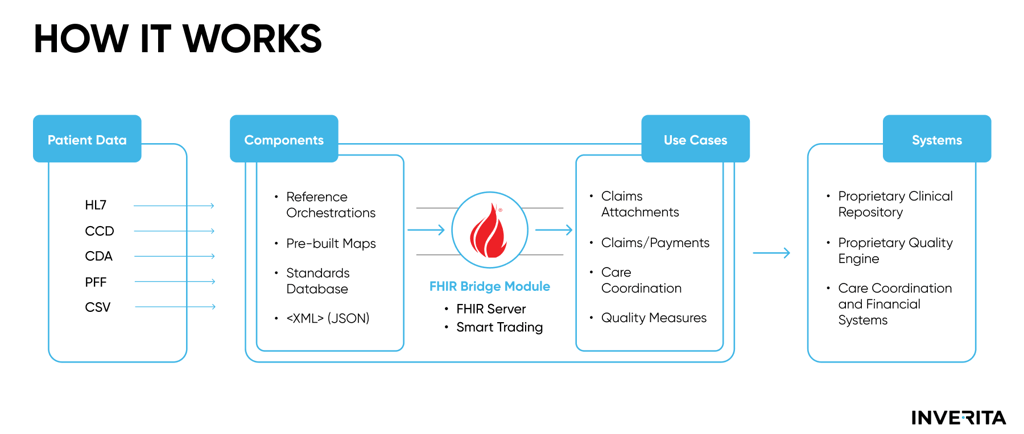
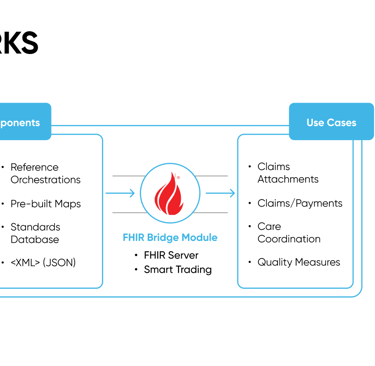
Most modern integrations involve transforming HL7 v2 messages into FHIR resources, rather than replacing HL7 completely.
Final Thoughts
HL7 v2 is not going away anytime soon. FHIR is not a replacement, but an evolution. Understanding how to work with both — and how to bridge them — is the key to building reliable, future-ready healthcare integrations.
Connect
Get in touch for collaborations and inquiries.
Follow
srirnld248@gmail.com
+919480992961
© 2024. All rights reserved.